Understanding Diastasis Recti
Diastasis recti frequently goes unnoticed post-pregnancy, often mistaken for typical postpartum changes; however, it’s a separation of abdominal muscles needing attention and proper exercise.
What is Diastasis Recti?
Diastasis recti occurs when the rectus abdominis muscles – those running vertically down the abdomen – separate, often during pregnancy, due to the uterus expanding and stretching. This separation isn’t always noticeable, and many attribute a “jiggly” postpartum belly to normal changes. However, it’s a measurable gap between these muscles, potentially impacting core strength and function.
The connective tissue, known as the linea alba, stretches and thins, contributing to the separation. Factors like abdominal fat, uterine pressure, and the birthing process itself can exacerbate this. While common after childbirth, it can also affect individuals who aren’t pregnant, though less frequently. Understanding the condition is the first step towards targeted recovery, often involving specific exercises.
Causes of Diastasis Recti
Several factors contribute to the development of diastasis recti. Pregnancy is the most common cause, as the growing uterus places significant pressure on the abdominal muscles and connective tissue. This pressure weakens and thins the linea alba, the fibrous structure connecting the muscles.
Childbirth itself can further exacerbate the separation, especially with multiple pregnancies. Additionally, factors like abdominal fat, which pushes against the connective tissue, and certain exercises that strain the abdominal muscles can play a role. It’s important to note that while pregnancy is a primary cause, it’s not exclusive; anyone can develop it.
Symptoms and How to Self-Check
Common symptoms of diastasis recti include a noticeable bulge in the abdomen, particularly when straining (like coughing or lifting). You might experience lower back pain, poor posture, and a feeling of weakness in your core. A “jiggly” belly, often dismissed as post-pregnancy weight, can also be a sign.
To self-check, lie on your back with knees bent and feet flat; Gently lift your head and shoulders off the floor, engaging your abdominal muscles. Feel for a gap along the midline of your abdomen. If you can feel a significant separation (more than two finger-widths), it’s likely you have diastasis recti. Consulting a healthcare professional is crucial for accurate diagnosis.

Exercises to Avoid with Diastasis Recti
Avoid exercises that heavily strain the abdominal muscles, such as traditional crunches, full sit-ups, and initially, planks, as they can worsen the separation.
Traditional Crunches & Sit-Ups
Traditional crunches and sit-ups are commonly performed abdominal exercises, but they are generally not recommended for individuals with diastasis recti. These movements involve forceful flexion of the spine and can significantly increase intra-abdominal pressure. This increased pressure pushes the separated abdominal muscles further apart, potentially worsening the condition instead of aiding in recovery.
The coning or bulging of the abdominal area during these exercises is a clear sign they are inappropriate. Instead of strengthening the core, they exacerbate the separation. Many PDF resources dedicated to diastasis recti healing specifically highlight avoiding these exercises, emphasizing the need for gentler, more targeted core engagement techniques. Focus on exercises that draw the abdominal muscles inward, rather than pushing them outward.
Planks (Initially)
While planks are often considered a core-strengthening staple, they require caution when dealing with diastasis recti, particularly in the initial stages of recovery. Standard planks can place excessive strain on the abdominal wall, potentially widening the gap between the rectus abdominis muscles. Many diastasis recti focused PDF workout plans advise against full planks early on.
The key is proper form and modification. Initially, focus on engaging the transverse abdominis (TA) – the deepest core muscle – before attempting a plank. Modified planks, such as those performed on the knees, are often recommended as a safer starting point. Observe for coning or bulging; if present, regress to an easier variation. Progress gradually, prioritizing core control over duration;
Twisting Movements
Twisting exercises, like traditional Russian twists or bicycle crunches, are generally discouraged during diastasis recti recovery, as highlighted in many diastasis recti focused PDF resources. These movements can exacerbate the separation of the abdominal muscles, placing undue stress on the linea alba – the connective tissue running down the midline of the abdomen.
The rotational force increases intra-abdominal pressure, potentially widening the gap. Instead, focus on exercises that promote core stability and transverse abdominis activation without rotation. As recovery progresses, gentle, controlled rotational movements may be introduced, but only under the guidance of a qualified healthcare professional. Prioritize maintaining a neutral spine and avoiding any coning or bulging of the abdomen.

Core Exercises for Healing Diastasis Recti
PDF guides emphasize activating the transverse abdominis, performing pelvic tilts, and heel slides to gently rebuild core strength and address muscle separation effectively.
Transverse Abdominis Activation (TA)
Transverse abdominis (TA) activation is foundational in diastasis recti recovery, frequently detailed in PDF workout plans. It involves consciously engaging the deepest abdominal muscle, drawing your navel towards your spine without holding your breath or tilting your pelvis. Many PDFs illustrate this with imagery, guiding users to feel a gentle tightening, like a corset effect.
Begin lying on your back with knees bent and feet flat. Practice slowly exhaling while gently pulling your belly button inward. Hold for a few seconds, maintaining normal breathing, then release. PDF resources often suggest starting with 10-15 repetitions, focusing on quality over quantity. Correct TA activation avoids bulging or coning of the abdomen, a sign of improper form. Progressive PDF plans will integrate TA activation into other exercises.
Pelvic Tilts
Pelvic tilts are a gentle, foundational exercise often included in diastasis recti PDF workout plans, designed to re-establish core connection. They improve awareness of pelvic and abdominal muscle control. Begin lying on your back with knees bent and feet flat on the floor. Gently tilt your pelvis backward, flattening your lower back against the floor, then release, creating a small arch.
PDF guides emphasize slow, controlled movements, focusing on engaging the abdominal muscles throughout. Avoid holding your breath; breathe deeply and evenly. Start with 10-15 repetitions, gradually increasing as strength improves. Proper form prevents over-arching or straining. Pelvic tilts prepare the core for more challenging exercises, as detailed in progressive PDF programs.
Heel Slides
Heel slides, frequently featured in diastasis recti PDF resources, are a low-impact exercise promoting core stability and abdominal muscle engagement. Lie on your back with knees bent and feet flat. Slowly slide one heel away from your body, straightening your leg while maintaining a neutral spine and keeping your core engaged.
PDF guides stress maintaining abdominal control to prevent arching the back. Slide the heel back to the starting position and repeat on the other side. Aim for 10-15 repetitions per leg. This exercise gently activates the transverse abdominis, a key muscle in diastasis recti recovery. Focus on controlled movements and proper breathing, as outlined in detailed PDF plans.

Progressive Exercises for Strengthening
PDF workout plans progressively introduce exercises like modified planks, bird dogs, and dead bugs, building core strength while carefully avoiding strain on separated abdominal muscles.
Modified Planks
Modified planks, often detailed in diastasis recti PDF resources, are a crucial progression from avoiding traditional planks altogether. These variations prioritize maintaining a neutral spine and engaging the transverse abdominis – the deep core muscle – without creating coning or doming of the abdomen.
Beginners can start with planks performed on their knees, ensuring elbows are directly beneath shoulders. Focus on drawing the navel towards the spine throughout the exercise. PDF guides emphasize maintaining proper form over duration; start with short holds (10-15 seconds) and gradually increase as strength improves.
Avoid letting the lower back sag or arching the spine. Consistent practice, guided by a well-structured PDF plan, helps rebuild core stability and safely close the diastasis gap;
Bird Dog Exercise
Bird dog exercises, frequently illustrated in diastasis recti PDF workout plans, are excellent for enhancing core stability and coordination without placing excessive strain on the abdominal muscles. These exercises target the core, back, and glutes simultaneously, promoting balanced muscle development.
Begin on your hands and knees, maintaining a neutral spine. Simultaneously extend one arm forward and the opposite leg backward, keeping your core engaged to prevent rotation or arching. PDF guides stress the importance of controlled movements and avoiding any coning in the abdomen.
Hold for a few seconds, then return to the starting position and repeat on the other side. Focus on quality over quantity, ensuring proper form throughout each repetition.
Dead Bug Exercise
Dead bug exercises, commonly featured in diastasis recti PDF resources, are a gentle yet effective way to rebuild core strength while minimizing abdominal pressure. This exercise focuses on maintaining a stable core and preventing coning, a key principle in diastasis recti recovery.
Lie on your back with knees bent at 90 degrees and arms extended towards the ceiling. Slowly lower one arm overhead and the opposite leg towards the floor, keeping your lower back pressed firmly against the ground. PDF guides emphasize maintaining core engagement throughout the movement.
Return to the starting position and repeat on the other side. Prioritize controlled movements and proper form over speed or range of motion.

Diastasis Recti Workout Plan (PDF Focus)
PDF resources offer structured diastasis recti workouts, providing daily exercises to heal core weakness and address lower back pain post-pregnancy effectively.
Finding Reliable PDF Resources
Locating trustworthy PDF workout plans for diastasis recti requires careful consideration. Numerous online sources offer downloadable guides, but quality varies significantly. Websites like nourishmovelove.com provide a 28-day diastasis recti workout plan as a free PDF calendar, offering structured daily exercises.
When searching, prioritize resources created by qualified professionals – physical therapists specializing in postpartum recovery or certified personal trainers with specific diastasis recti training. Look for PDFs that emphasize transverse abdominis activation and gentle core strengthening, avoiding traditional crunches or high-impact movements initially.
Be wary of plans promising quick fixes or overly aggressive exercises. A reliable PDF will detail proper form, offer modifications for different levels, and emphasize listening to your body throughout the process. Always cross-reference information and consult with a healthcare provider before starting any new exercise program.
Key Elements of a Good PDF Plan
Effective diastasis recti PDF plans prioritize gentle core restoration, not aggressive abdominal work. A strong plan will clearly illustrate proper form for exercises like transverse abdominis activation, pelvic tilts, and heel slides, crucial for reconnecting the separated muscles.
Look for progressive exercises, starting with foundational movements and gradually increasing intensity. Modifications for varying levels of separation are essential, allowing individuals to work within their capabilities. A good PDF will also explicitly state exercises to avoid, such as crunches and planks (initially), which can worsen the condition.
Furthermore, a comprehensive plan will emphasize mindful movement, breathing techniques, and listening to your body’s signals, promoting safe and effective healing. It should also encourage seeking professional guidance when needed.
Example Daily Workout Structure (from PDFs)
Many diastasis recti PDF workout plans begin with a 5-10 minute warm-up, focusing on gentle movements like cat-cow stretches and diaphragmatic breathing to prepare the core. The core of the workout (15-20 minutes) typically includes 3-4 sets of 10-15 repetitions of exercises like transverse abdominis activations, pelvic tilts, and heel slides.
Progressive plans introduce modified planks or bird-dog exercises as strength improves. Cool-down (5 minutes) involves gentle stretching and continued focus on deep breathing. Some PDFs offer daily variations, alternating between core activation and gentle strengthening.
Remember, consistency is key; even short, daily workouts are more effective than infrequent, intense sessions. Always prioritize proper form over the number of repetitions.

Important Considerations & Precautions
Prioritize listening to your body during exercises, progressing slowly and seeking professional guidance when needed to ensure safe and effective core rehabilitation.

Listen to Your Body
Paying close attention to your body’s signals is paramount when embarking on a diastasis recti exercise program, especially when utilizing PDF workout plans. Discomfort isn’t the same as effective work; sharp pain, coning, or bulging of the abdomen during exercises are red flags indicating you’re pushing too hard.
Modify exercises immediately if you experience these sensations. A gentle engagement of the transverse abdominis should feel like a subtle drawing-in, not a straining or pushing-out. Remember, healing diastasis recti is a gradual process, and respecting your body’s limits is crucial for preventing further separation or injury.
Don’t ignore persistent discomfort, and always prioritize proper form over the number of repetitions.
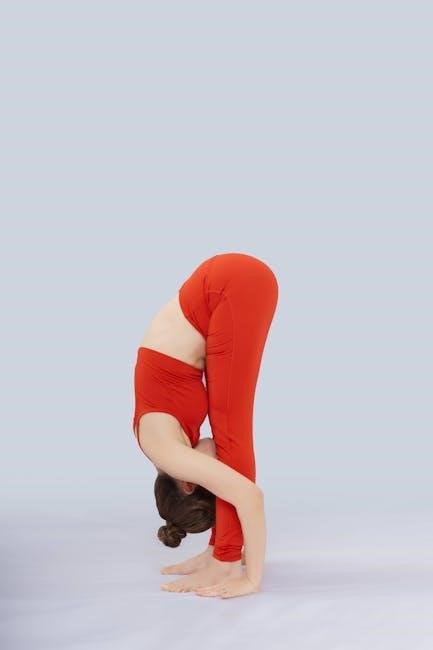
Progression & Regression
Effective diastasis recti rehabilitation, guided by PDF workout plans, hinges on the principles of progression and regression. Begin with foundational exercises, focusing on transverse abdominis activation and pelvic tilts, ensuring proper form before increasing intensity. If an exercise feels challenging, regress to a simpler variation – for example, modifying a plank to one on your knees.
Conversely, as your core strength improves, progressively increase the difficulty. This could involve adding repetitions, holding positions for longer durations, or transitioning to more complex movements like bird dogs.
Regularly assess your abdominal wall for coning or bulging, adjusting the program accordingly.
Seeking Professional Guidance
While numerous PDF resources offer diastasis recti exercises, consulting a qualified healthcare professional – such as a physical therapist specializing in pelvic floor health – is crucial. Self-diagnosis and treatment can be ineffective or even detrimental, potentially worsening the condition.
A professional assessment can accurately determine the severity of your diastasis recti and tailor an exercise program specifically to your needs. They can also rule out other contributing factors, like pelvic floor dysfunction.
They will guide you on proper form, ensuring exercises are performed correctly to maximize benefits and minimize risk of injury, supplementing any PDF plan you choose to follow.

Long-Term Management & Prevention
Maintaining core strength, even post-recovery, is vital; consistent, gentle exercises—found in many PDFs—prevent recurrence and support overall abdominal health and stability.
Maintaining Core Strength Post-Recovery
Sustaining core strength after diastasis recti recovery isn’t about intense workouts, but consistent engagement of deep core muscles. Many downloadable PDF resources offer progressive exercise plans designed for long-term maintenance. These plans often emphasize transverse abdominis activation, pelvic tilts, and modified planks – exercises that rebuild strength without exacerbating the condition.
Regularly incorporating these exercises, even after symptoms subside, helps prevent recurrence and supports overall postural stability. Look for PDFs that detail proper form and progression, ensuring you’re challenging your core appropriately. Remember, consistency is key; short, frequent sessions are more effective than infrequent, strenuous ones. Prioritize functional movements that mimic daily activities, reinforcing core engagement throughout your day.
Lifestyle Adjustments

Beyond exercise, several lifestyle adjustments support diastasis recti management, often detailed within comprehensive PDF guides. Proper posture – maintaining a neutral spine during daily activities – minimizes strain on abdominal muscles. Mindful movement is crucial; avoid straining during bowel movements or lifting heavy objects. Instead, engage your core and bend at the knees.
PDF resources frequently advise modifying how you get in and out of bed or chairs, emphasizing core engagement. Consider wearing supportive garments to provide gentle compression. Managing weight gain also reduces pressure on the abdominal wall. These seemingly small changes, combined with targeted exercises from a reliable PDF plan, contribute significantly to long-term healing and prevention of recurrence.